Type of Electric Vehicles
Battery Electric Vehicle (BEV)
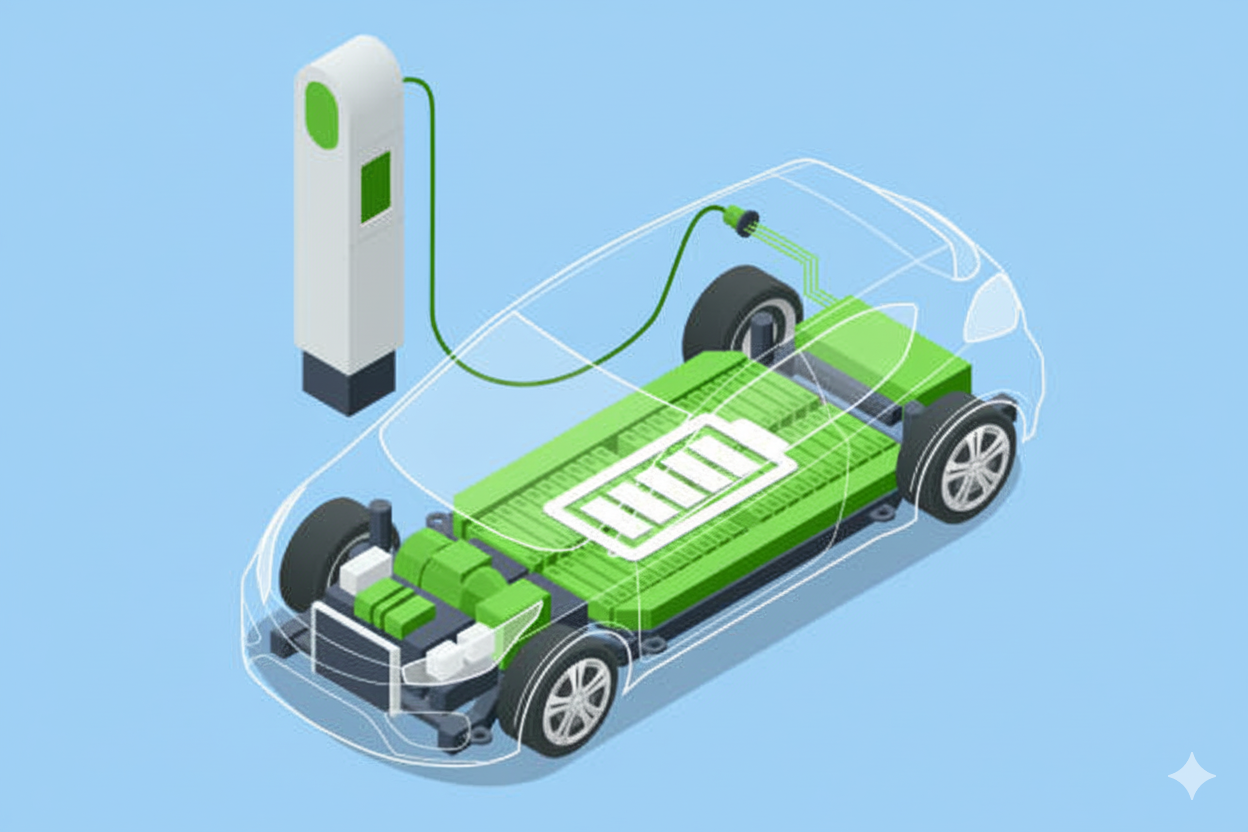
A Battery Electric Vehicle or BEV is a vehicle that uses a battery as the sole means of energy storage for the propulsion of the vehicle. A BEV does not have a fossil fuel engine or generator. It is driven purely by an electric motor with battery energy storage. A BEV is "refueled" by plugging into an electrical power source.
Plug-in Hybrid (PHEV)
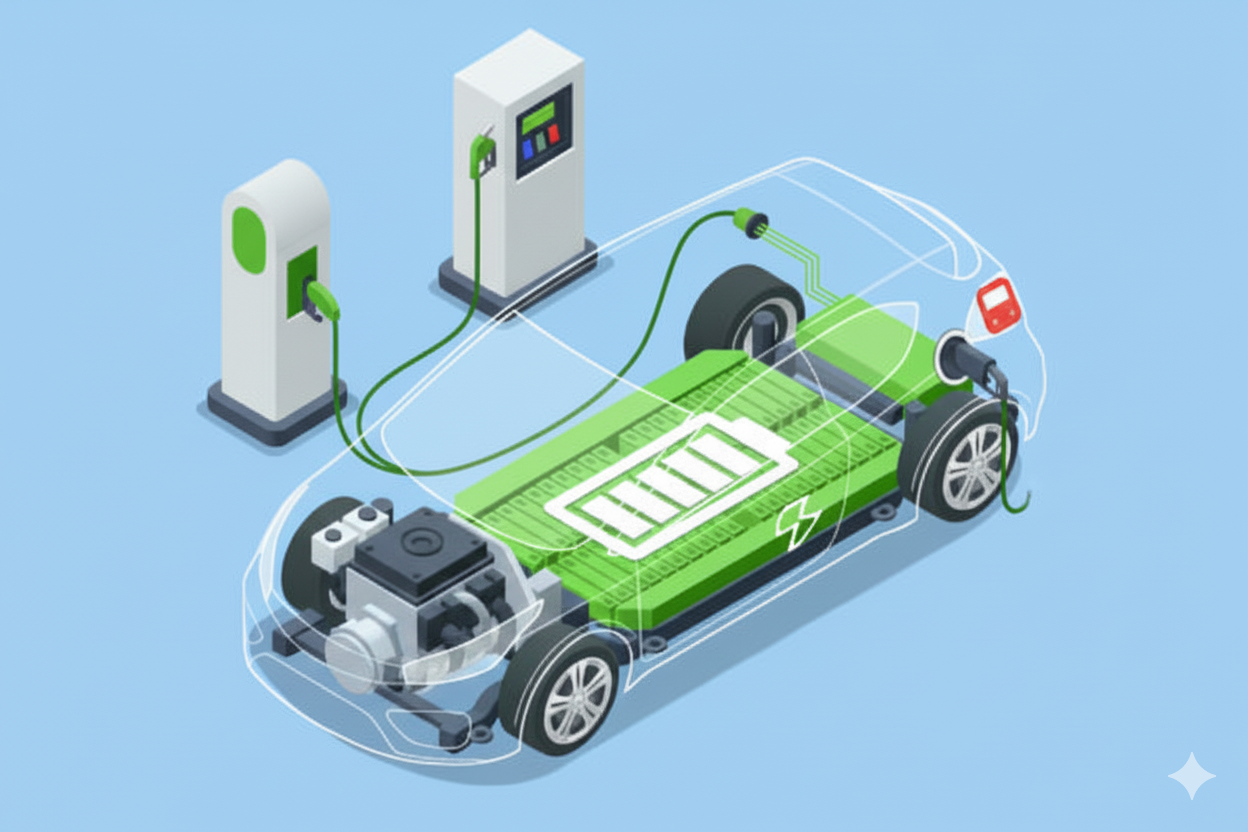
Hybrid Electric Vehicles use a combination of electric power and petrol or diesel power to propel the vehicle. A PHEV uses an internal combustion engine (ICE) and electric motor. You can charge PHEVs from an electricity source, and access cheaper and cleaner electric power.
Hybrid (HEV)
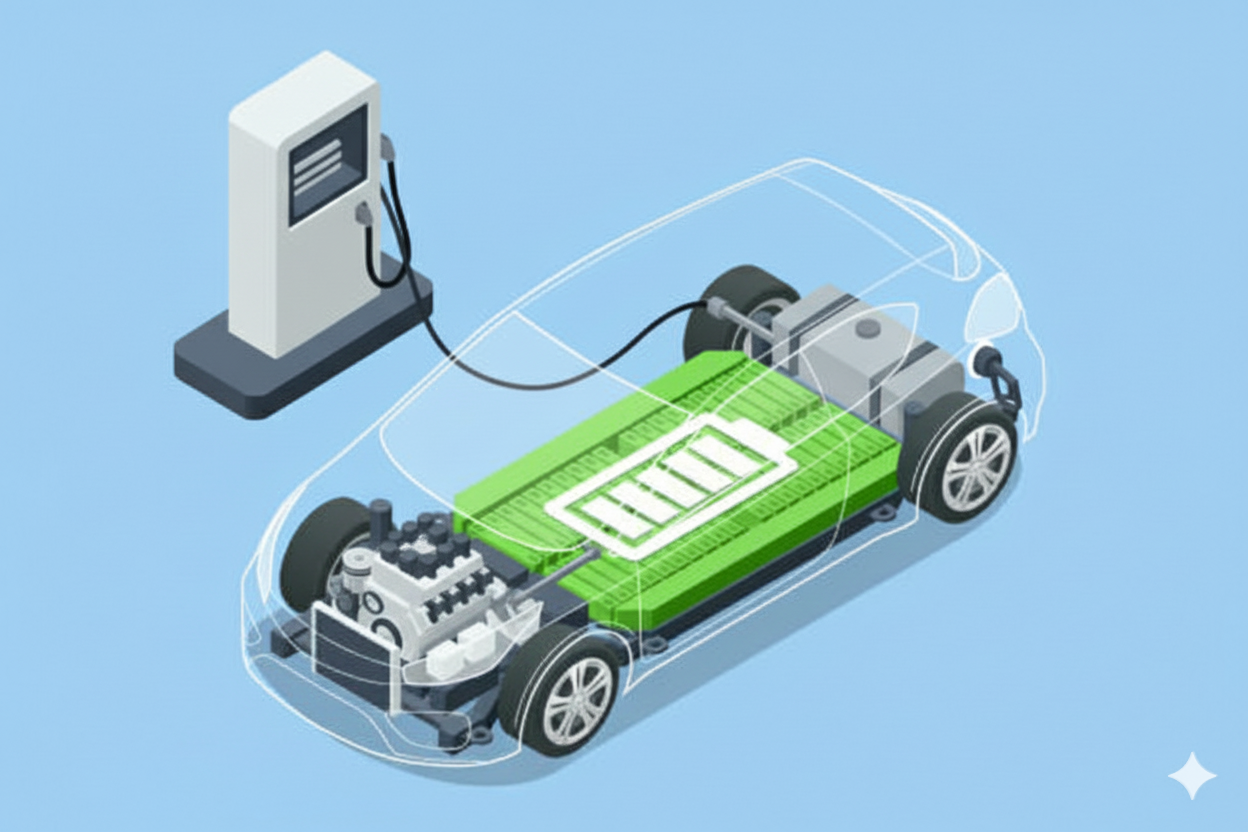
These vehicles have both an internal combustion engine and an electric motor. The electric battery however, is only charged by the ICE, the motion of the wheels or a combination of both. There is no charging connector.
Types of Electric Vehicle Chargers
Different types of EV chargers provide a wide range of charging speeds.
Single Phase (Portable/Wall Box)
| Connection Capacity | Power | Charging Time* |
|---|---|---|
| CEB - 16A | 3.5kW | 10h |
| CEB - 30A | 7.4kW | 5h |
Three Phase (Portable/Wall Box/Floor Mount)
| Connection Capacity | Power | Charging Time* |
|---|---|---|
| CEB - 30A | 22kW | 1h 30min |
| 16A | 11kW | 3h 20min |
| CEB - 60A | 40kW | 50min |
| 44A | 30kW | 1h 10min |
Bulk connection Three Phase (Floor Mount)
| Connection Capacity | Power | Charging Time* |
|---|---|---|
| CEB - 70kVA - 100A | 70kW | 35min |
| 87A | 60kW | 40min |
| 73A | 50kW | 45min |
| CEB - 95kVA - 140A | 95kW | 20min |
| 130A | 90kW | 25min |
| 116A | 80kW | 30min |
* Charging time – From 20% to 80% (battery capacity - 60kWh)
Types of EV Charger Connectors
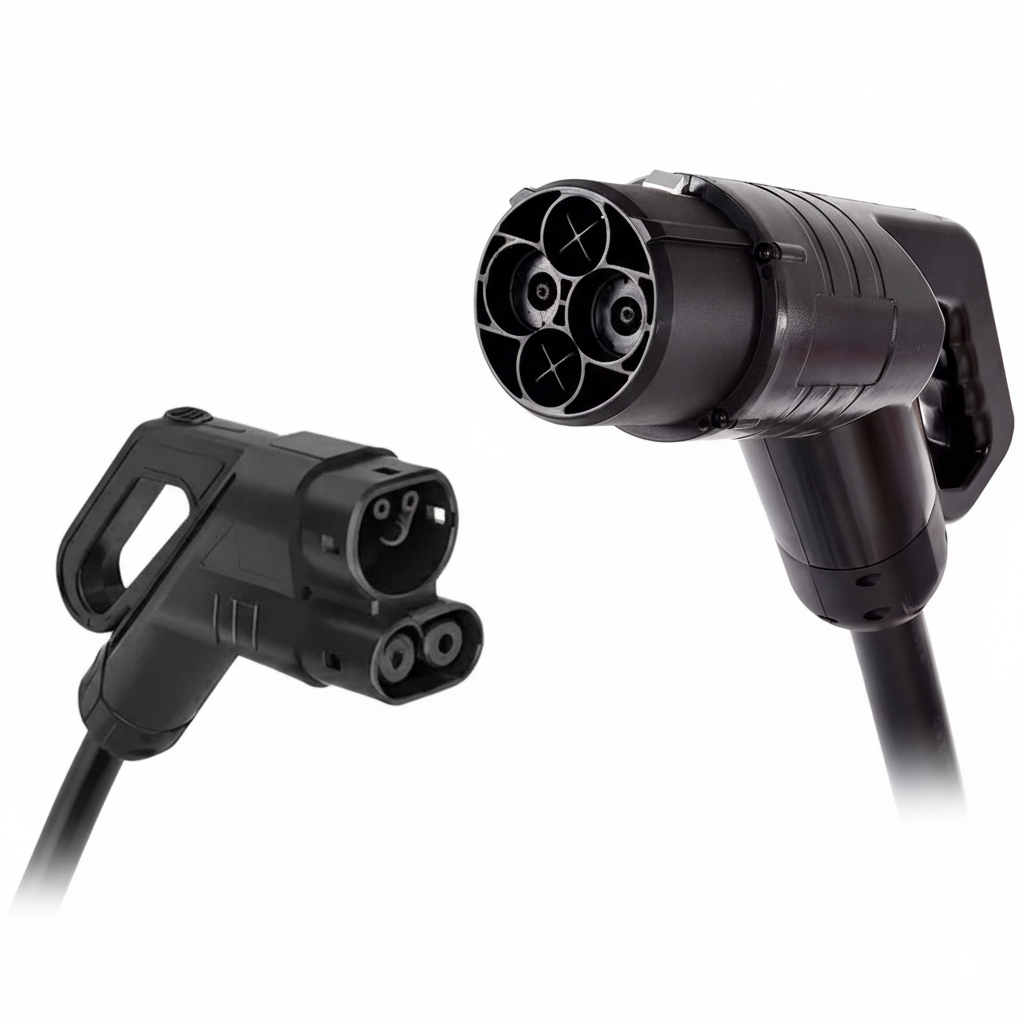
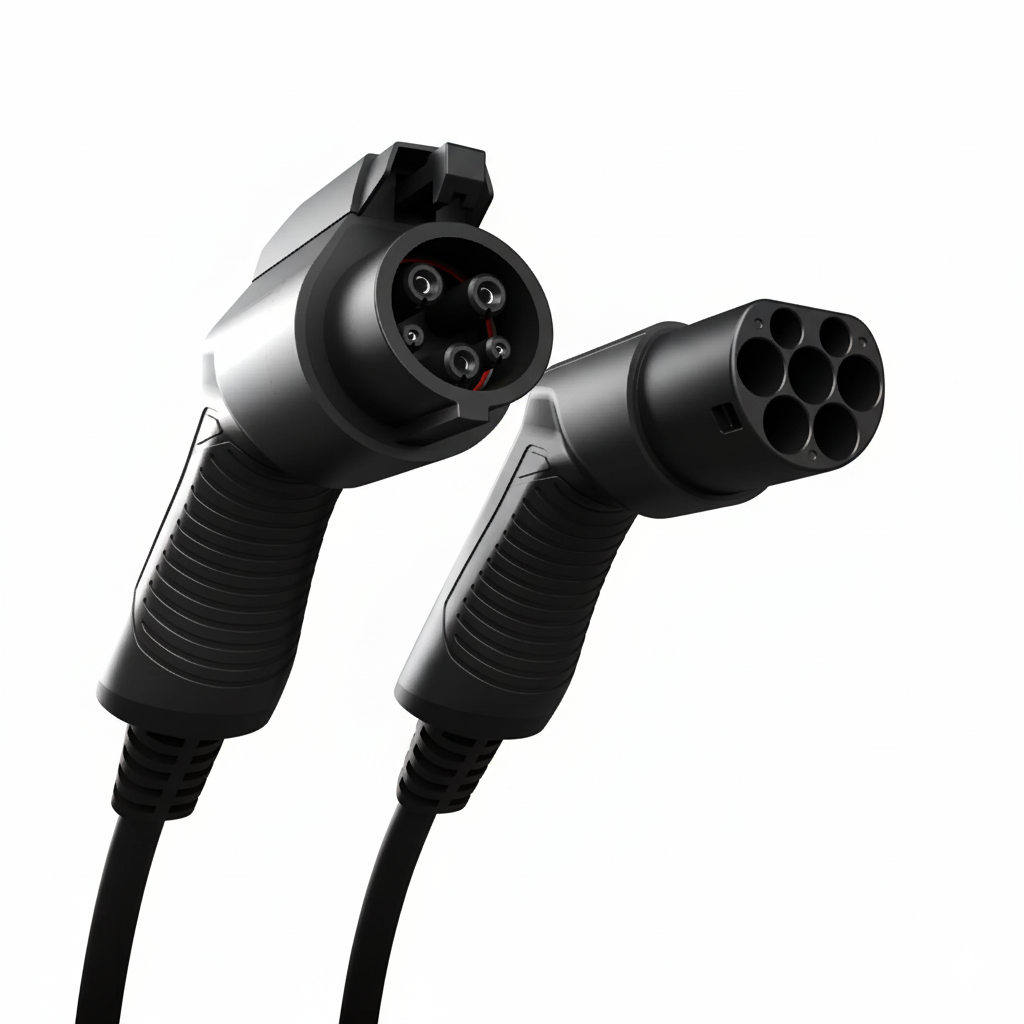
The cable that connects the charging station with your vehicle has to have the right plug on both ends. Four main types of plugs exist for AC (Alternating Current) and DC (Direct Current) charging.
AC (Alternating Current) Plugs
- Type 1: A single-phase plug standard for EVs from America and Asia. It allows charging up to 7.4 kW.
- Type 2: A triple-phase plug that is the standard for European vehicles and public charging in the region. At home, it supports up to 22 kW.
DC (Direct Current) Plugs
- CHAdeMO: A quick charging system developed in Japan, allowing high charging capacities and bidirectional charging. It can charge up to 100 kW.
- CCS (Combined Charging System): An enhanced version of the Type 2 plug with two additional power contacts for fast charging. It supports both AC and DC charging at speeds up to 350 kW.